
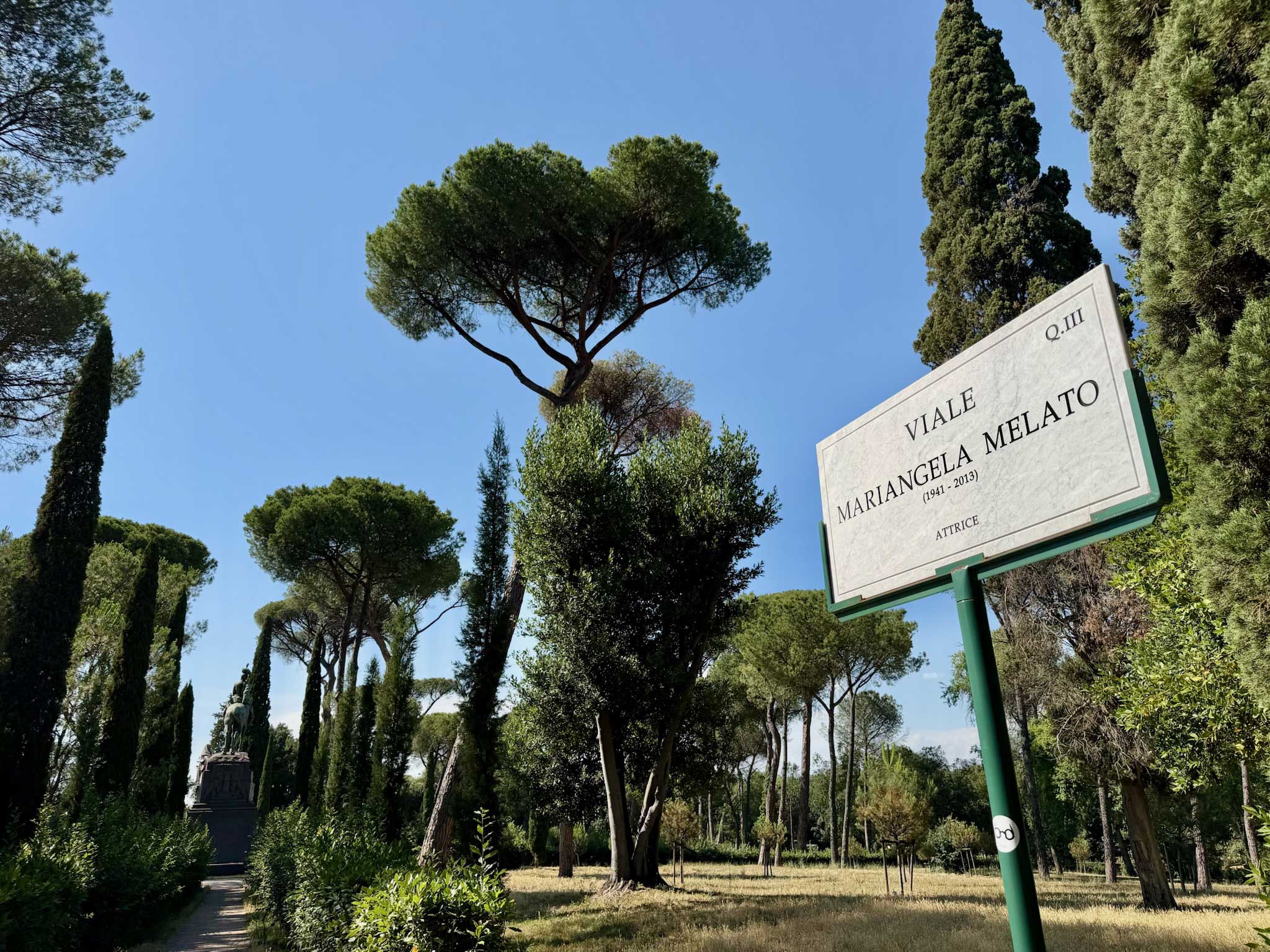
One of my favorite parts of designing landscapes is the way that I’m constantly learning. And it’s not just from books or onsite installations, but from actually experiencing gardens designed to inspire.
Recently, I had the opportunity to visit some absolutely stunning spaces while traveling abroad. While I explored a true Roman garden and a completely different, nature-inspired garden in France, both taught me something through an unexpected common ground: a naturalist philosophy that feels anything but overdone.
It also reminded me of something I’m inspired to bring through to my clients’ yards: it’s not about having perfect plants or the most impressive color palette… it’s about how a space makes you feel when you’re standing in it.
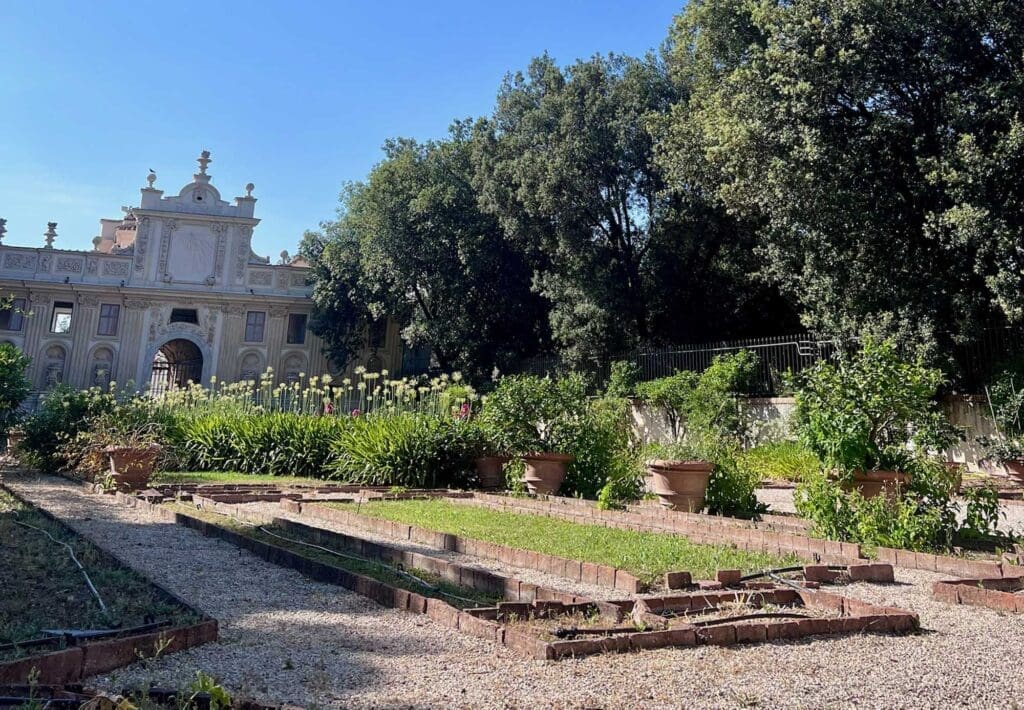
How to Experience Gardens When You Travel
Before I share what I discovered at these incredible gardens, let me talk about how to approach visiting gardens when you’re traveling. Because if we’re being truthful, most people walk through them the way they walk through a museum by checking off boxes, snapping quick pics, and then moving on. But that’s never where the magic happens.
The key to enjoying and truly experiencing a garden for what it’s meant to be is to slow down and engage with the space like you’re a student of design.
Notice how the pathways curve and where they lead. Pay attention to what you can and can’t see from different angles. Use all your senses. What do you smell? (Lavender? Citrus? Damp soil?) What do you hear? (Fountains? Birds? Gravel crunching underfoot?
Public gardens are specifically designed to engage more than just your eyes, and once you start noticing these details, you’ll see why they’ve influenced garden design for centuries.
Here’s what to focus on:
- The bones: Hardscaping, pathways, structural elements, how trees are positioned, what creates shade
- The flow: Are you discovering something new around every corner, or does the space reveal itself all at once?
- The comparison: How does this compare to what you love about your own yard? What elements could you bring home? Not necessarily the same plants (we live in DC, after all!), but the feeling.
By the time you leave, you’ll have a completely different understanding of what makes a garden work, and you’ll be able to apply those lessons to your own backyard.
Stop 1: Villa Borghese in Rome, Italy
When I walked into Villa Borghese in Rome, I understood immediately why Roman gardens have been studied and replicated for centuries.
This public garden, created during the 17th-century romantic period, isn’t designed to impress you with a single view. It’s designed to invite you on a journey.
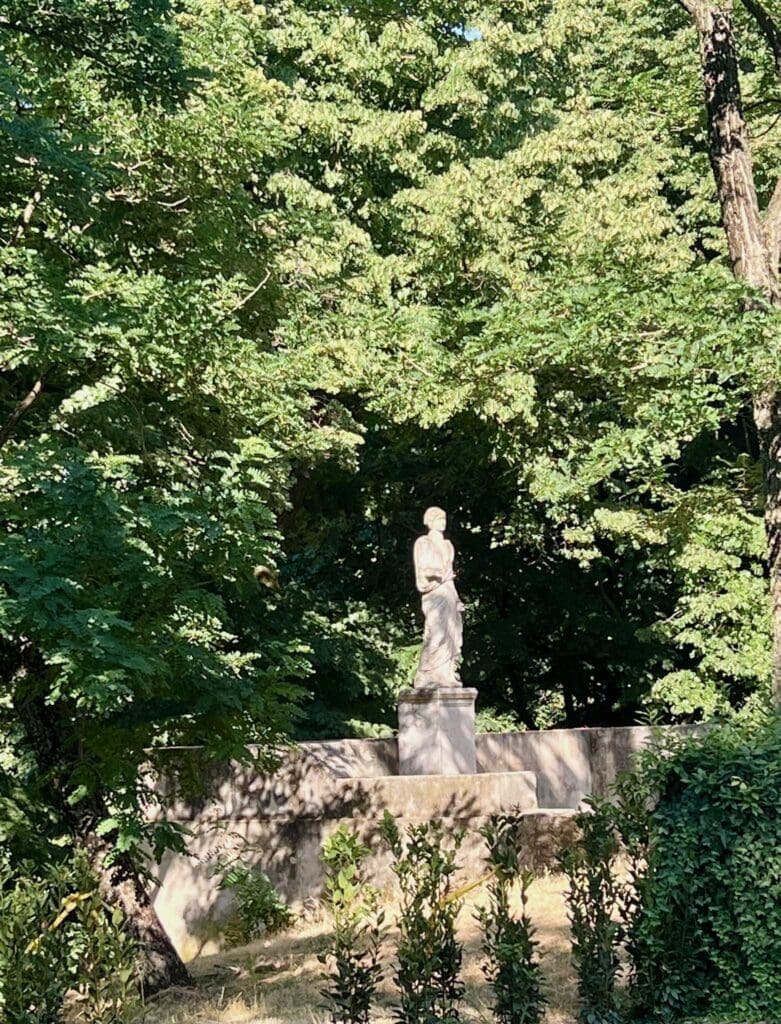
Wide, meandering pathways curve through the space in a way that feels completely natural but is actually meticulously planned. You round a corner and suddenly discover a marble statue you didn’t know was there, or you walk under a canopy of trees and find a hidden fountain. Every step feels like you’re discovering your own secret path, your own private moment.
What shocked me the most, though, was that the flowers are barely the focus in these gardens.
Instead, Villa Borghese showcases the relationship between organic, natural forms of trees and shrub with architectural elements like statuary and marble pieces. The way these elements blend together creates a sense of timelessness that, simply put, amazed me.
Standing there, I realized: this is what I’m trying to create in landscapes for my DC clients. Not a garden that screams “look at me,” but a space that invites you to experience it… A place where you want to spend an afternoon wandering, where every corner offers something new.
Stop 2: The Myrtle Botanical Garden in Ste. Maxime, France
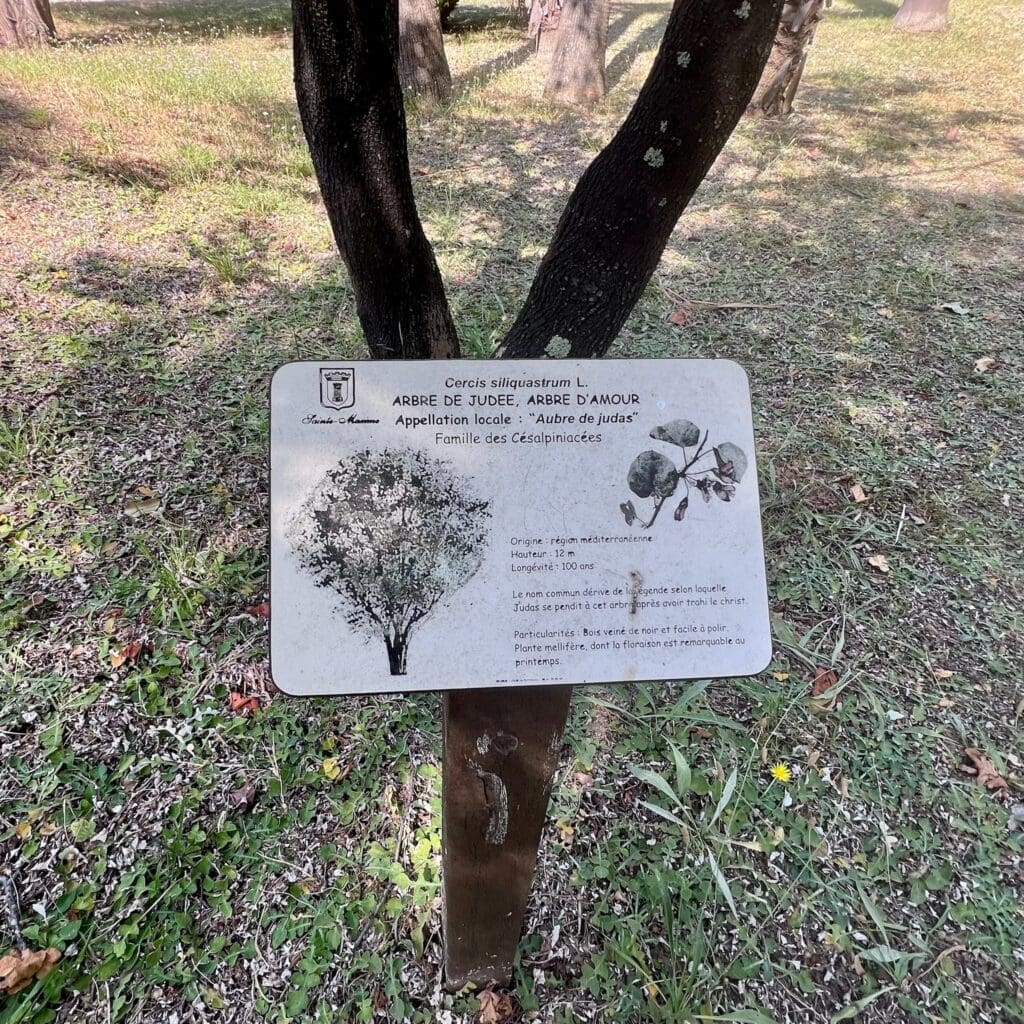

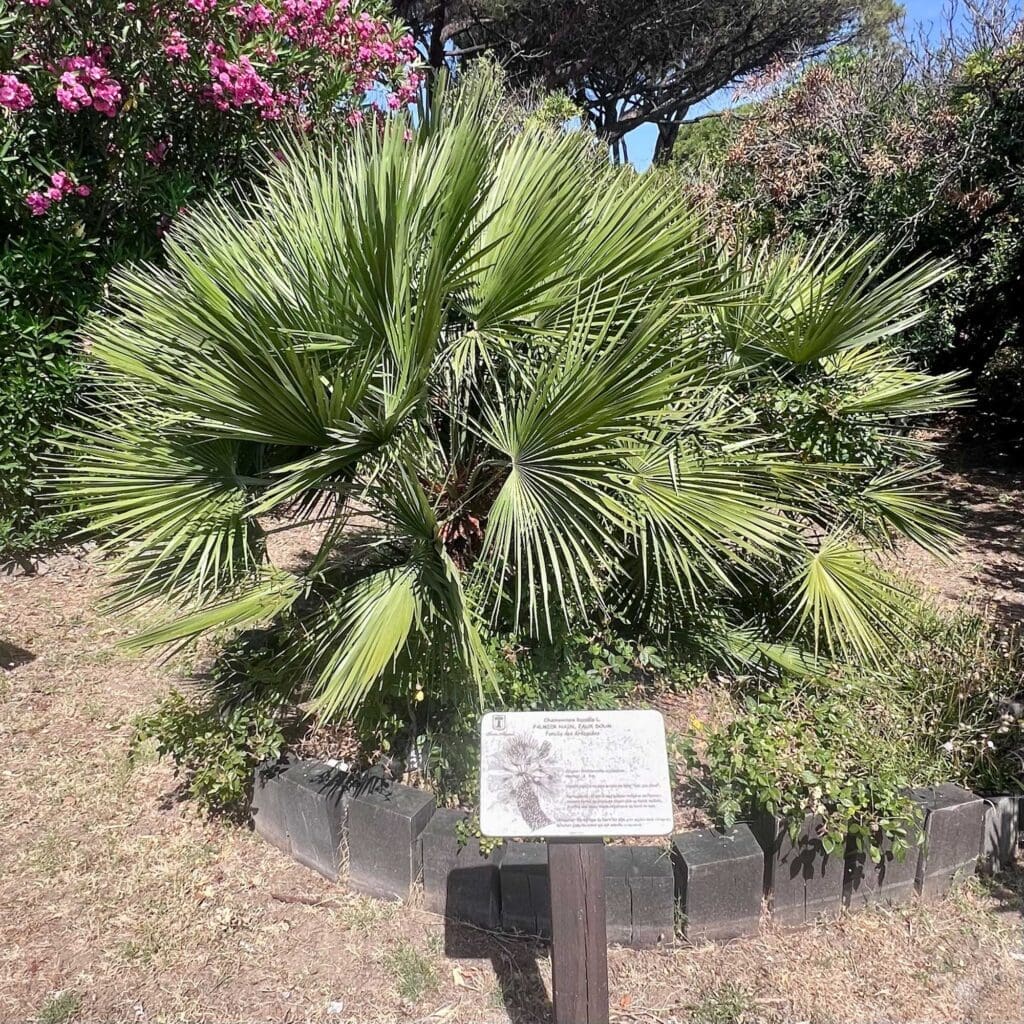
Unlike the historic Roman garden I’d just experienced, the Myrtle Botanical Garden in Sainte Maxime in Ste. Maxime on the Côte d’Azur in France was created with an entirely different purpose and in a completely different era.
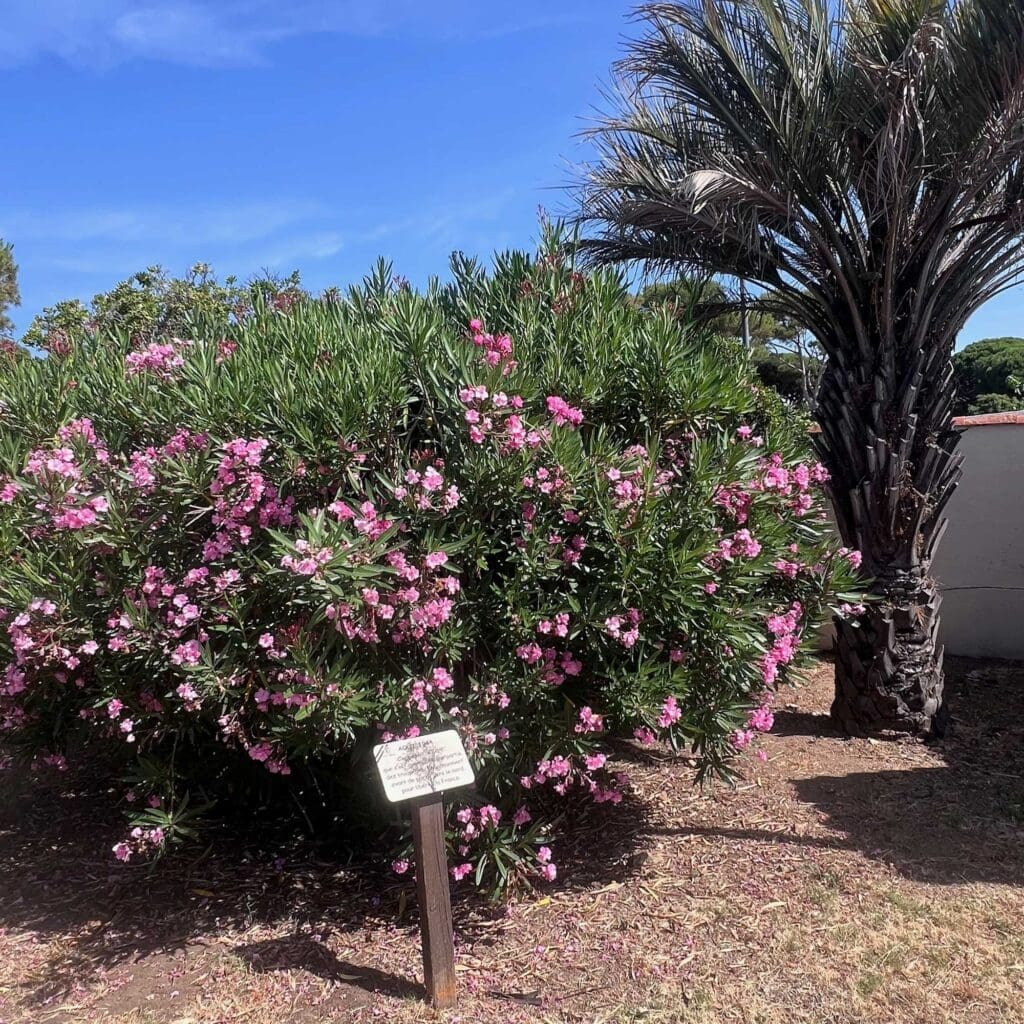
Developed in the 1990s, this garden was designed as an educational public garden focused on native Mediterranean plant species, ecology, and biodiversity. Every plant is labeled. The approach here is scientific and intentional.
But here’s what surprised me: despite their completely different origins and intentions, this garden had the same feeling as Villa Borghese. The style is curated but relaxed, organic. You’re learning while you’re wandering, but it doesn’t feel like a classroom. The paths meander through the space in a way that invites exploration, and nothing feels over-planned or rigid.
What both gardens taught me is that when you let nature guide the design and prioritize the experience over control, something magical happens. The plants, the pathways, the discovery… it all feels effortless, even though it’s actually quite intentional.
Bringing These Garden Lessons Home to Your DC Landscape
So how do you take what you experience visiting public gardens in Europe and apply it to your own yard?
The answer lies in embracing that same naturalist philosophy, whether you’re inspired by centuries-old Roman gardens or modern botanical spaces.
Start by creating discovery. Don’t reveal your entire garden from the front door. Use pathways that curve, trees that create canopies, shrubs that block sightlines. Let people want to explore, and prioritize experience over perfection. A garden that makes you feel something, whether that’s peace, curiosity, or being alive, is more valuable than a garden that looks “perfect” but doesn’t invite you in.
Understand your plants deeply. Know where they come from, what they need, how they naturally want to grow. It’s about respecting the nature of each plant and working with it, not against it. Don’t over-plan every detail; let loose and allow some organic flow. Blend structure with softness, whether it’s a stone pathway with flowering perennials or a sculptural element surrounded by natural shrub forms. The contrast creates magic.
The most important thing is to slow down. Even in your own backyard, slow down. Spend time noticing and experiencing your garden the way you’d experience these spaces while traveling, with curiosity, all your senses engaged, and an openness to discovery.
Taking Inspiration from the Public Gardens in Europe to Create an Experience Back Home
I came home from this trip completely inspired, not because I want to recreate these gardens in DC (we can try all we want, but it will never be the same!), but because I understood on a deeper level why certain design principles work.
Why meandering pathways feel better than straight ones, and why mystery and discovery matter more than grandeur.
Your backyard doesn’t need to be historic or world-famous to create that same sense of magic. It just needs to be thoughtfully designed with the principles of European gardens and good design in mind. Prioritizing sensory engagement, moments that invite exploration, plant selection, and the experience itself will make it feel all the more inspirational every time you set foot out the door.
At Lanier Landscapes, this is exactly what I have in mind when I collaborate with homeowners on their spaces.
If you’re dreaming of a backyard that feels like a personal escape, inspired by the beauty of historic spaces yet perfectly suited to your life in DC, I’d love to work with you on that vision.

I’m a Chevy Chase, DC-area landscape designer with 3 kids and 2 dogs that always keep me on my toes. Nature has always been a part of my life and as a child, I spent countless hours in the garden alongside my mother, learning the rhythm of the seasons and the joy of nurturing a living space. Now, I continue to find inspiration in the beauty of nature.
I founded Lanier Landscapes in 2013 after noticing how many outdoor spaces felt impersonal — beautiful but lacking warmth, functional but uninspired. I’m here to help you create an outdoor space that you can’t wait to come home to.
