
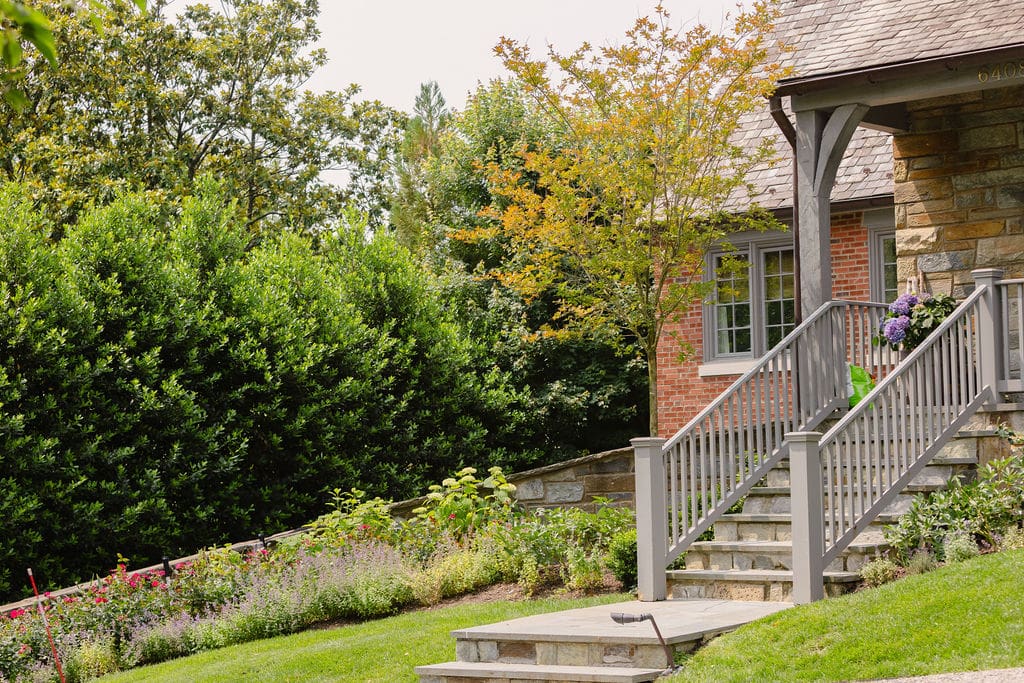
As the leaves begin to turn and the air carries that first hint of autumn crispness, many homeowners in the DC area start putting away their gardening tools, thinking the season is over. But here’s a secret that experienced gardeners know: fall is widely considered the absolute best time to plant in the Mid Atlantic region. Not only does science back this up, but there’s something truly magical about actually enjoying being outside and gardening without the sweltering heat of summer beating down on you.
Fall planting isn’t just about convenience, it’s about working with plant biology and our regional climate to create landscapes that truly thrive. In this blog, we’ll explain why planting in fall requires less effort and more rewards when spring returns.
The Science Behind Fall Planting Conditions
1. Cooler Air Meets Warm Soil When Fall Planting
Early fall creates what gardeners call the “Goldilocks zone” for plant establishment. As air temperatures begin to cool down, they reduce the stress on plants that comes with summer’s intense heat. But here’s the most important part that people tend to look over: while the air cools, the soil remains beautifully warm from months of summer sunshine.
This combination is pure magic for plant biology. The warm soil encourages healthy root development, while the cooler air prevents plants from being overwhelmed by the need to support excessive new growth above ground. What this means for your garden is that plants can establish strong, extensive root systems before winter arrives, without burning energy on pushing out leaves and flowers they can’t sustain.
Think of it as giving your plants the perfect foundation. Instead of struggling to survive their first season, they’re quietly building the underground network that will support years of beautiful growth.
2. More Consistent Rainfall: Nature’s Irrigation System
Our Mid Atlantic region typically sees more consistent rainfall in fall than during late spring or summer. This seasonal shift provides a significant advantage for new plantings. Consistent moisture is necessary for establishing any new plant, and when nature provides it naturally, you’re freed from the constant worry of irrigation schedules.
Summer planting more often than not means you’re fighting an uphill battle against heat and drought, dragging hoses and setting timers to keep new plants alive. Fall planting works with the natural rhythm of our climate, reducing the need for intensive watering while still making sure your plants get the consistent moisture they need to grow strong roots.
3. Fewer Pests and Diseases: A Cleaner Start When Fall Planting
As temperatures drop, many harmful insects, diseases, and fungi that thrive in summer gardens begin to decline. This gives your newly planted specimens a chance to establish themselves with limited biological stressors. Instead of immediately fighting off aphids, fungal infections, or other common garden pests, your plants can focus their energy where it matters most: building healthy root systems.
This reduced pest pressure means less need for treatments and interventions, creating a more natural, low-maintenance approach to gardening.
4. Perfect Timing for Winter Dormancy
Most trees and shrubs naturally go dormant in winter, and when you plant in fall, you’re working with this biological rhythm rather than against it. By planting just before dormancy, plants focus their energy on root development rather than pushing out new growth above ground.
This timing allows for well-established plants that are ready to grow and bloom rapidly when spring arrives. Instead of spending their first growing season just trying to get settled, fall-planted specimens wake up with a strong foundation and immediately begin putting on the show you’ve been waiting for.
Plants That Thrive in Autumn Gardens
The beauty of fall planting goes beyond the practical benefits, you can also choose plants that provide immediate gratification with stunning autumn displays. Here are some of our favorites that not only establish well when planted in fall but also offer striking seasonal interest.
Perennials That Deliver
Sedum (Stone Crop) brings late-season color with succulent foliage and clusters of star-shaped flowers in shades of pink, red, and white. These perennials are incredibly drought-tolerant once established and provide structure and color well into winter. Their thick, fleshy leaves create interesting texture, and pollinators absolutely love their late-season blooms.
Japanese Anemone offers elegant, papery flowers in soft pink or pure white that dance on tall stems throughout fall. These graceful perennials spread naturally to create beautiful drifts, and their deeply cut foliage provides excellent texture even when not in bloom. They’re particularly stunning in woodland settings or mixed borders.
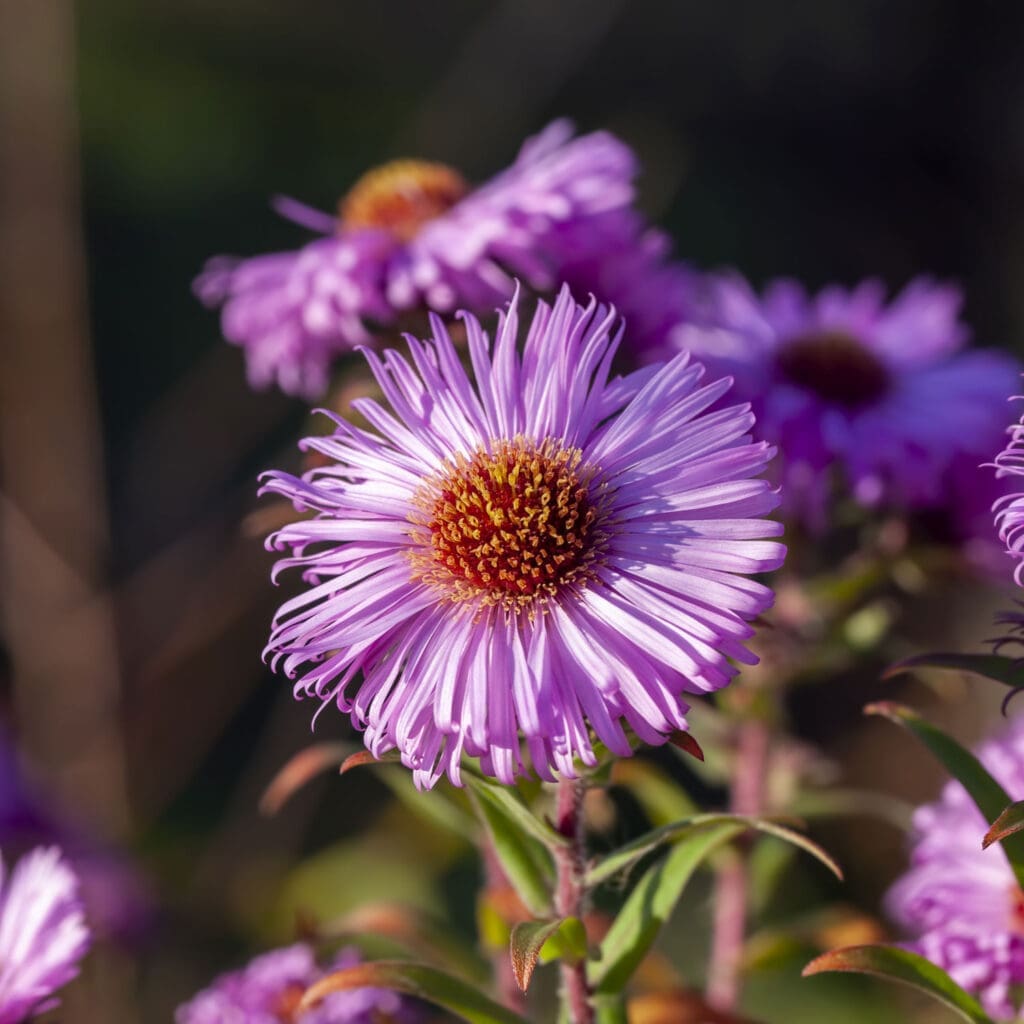
New England Aster is a native powerhouse that supports Monarch butterflies and other pollinators during their fall migration. These perennials produce clouds of purple, pink, or white daisy-like flowers that literally buzz with activity. They’re incredibly hardy, drought-tolerant once established, and provide that quintessential fall wildflower look that pairs beautifully with ornamental grasses.
Shrubs That Steal the Show
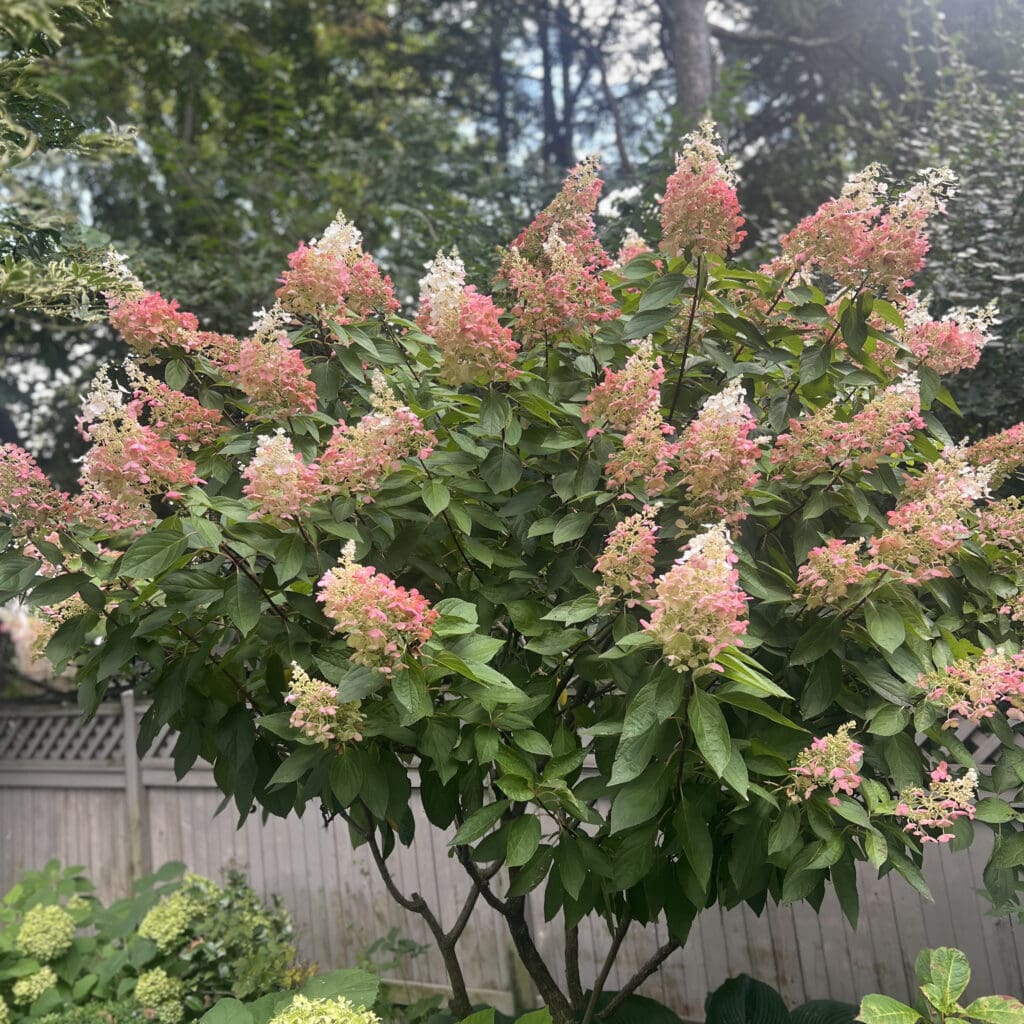
Panicle Hydrangea (Hydrangea paniculata ‘Grandiflora’) offers some of the most spectacular fall interest of any shrub. The large, conical flower heads start white in summer, then gradually shift to pink and burgundy as fall progresses. These hydrangeas bloom on new wood, so they’re incredibly reliable, and their dried flower heads provide winter interest long after the leaves have fallen.
Sasanqua Camellia brings the unexpected joy of fresh blooms just as everything else is winding down. These elegant shrubs produce delicate, rose-like flowers in white, pink, or red throughout fall and even into early winter. Their glossy evergreen foliage provides year-round structure, and the surprise of fresh flowers in November never gets old.
American Beauty Berry (Callicarpa americana) is a native treasure that produces the most incredible display of bright purple berries clustered along its branches in fall. These berries are not only stunning to look at but also provide much-needed food for native wildlife. The shrub’s simple green leaves turn golden yellow in fall, creating a beautiful backdrop for those jewel-like berries.
Trees That Redefine the Landscape
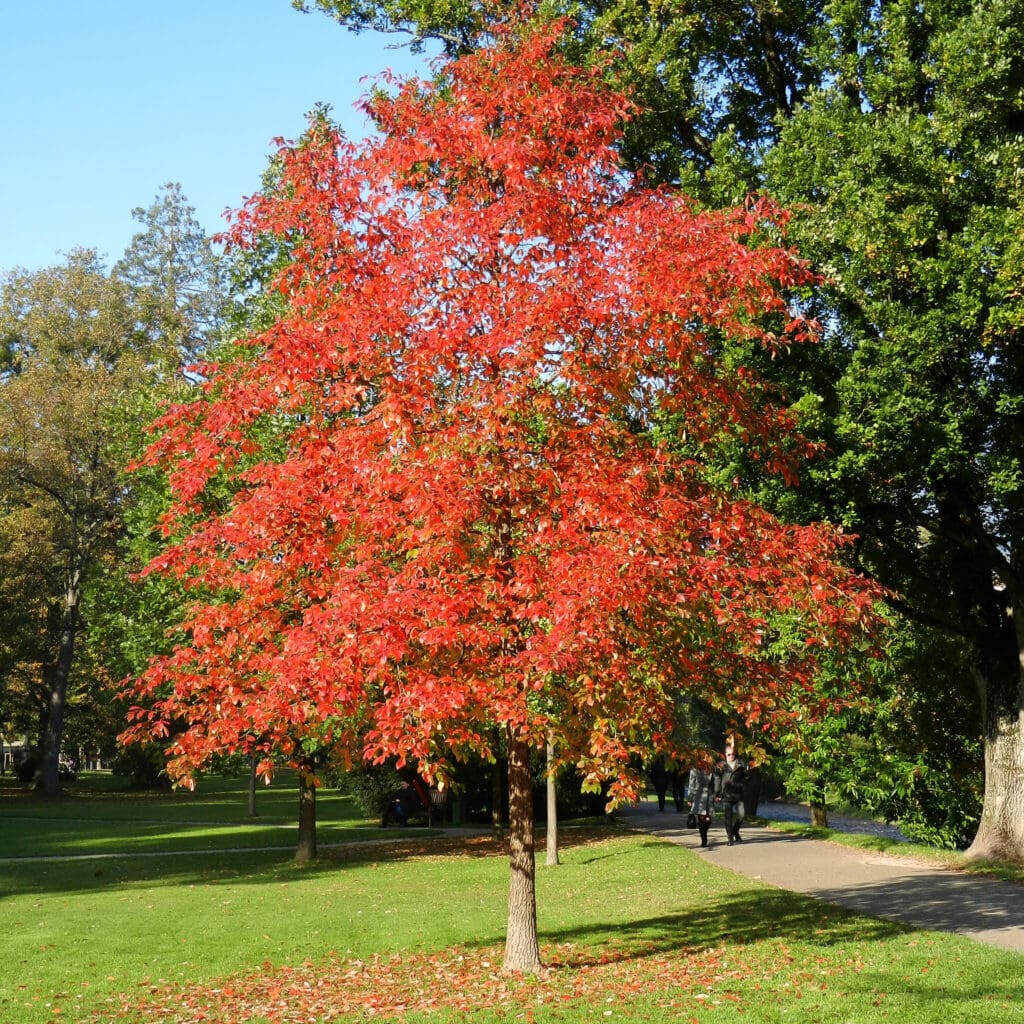
Sweet Gum (Liquidambar styraciflua) is a native tree that puts on one of the most breathtaking fall color displays you’ll ever see. Individual trees can show yellow, orange, red, and purple all at once, creating a living kaleidoscope in your landscape. Their distinctive star-shaped leaves and interesting spiky seed balls add textural interest throughout the year.
Black Tupelo (Nyssa sylvatica) offers some of the earliest and most intense fall colors, often beginning to turn brilliant scarlet and orange while other trees are still green. This native tree also produces small ornamental fruits that provide food for native wildlife, particularly migrating birds. The tree’s distinctive horizontal branching pattern and attractive bark make it interesting even in winter.

Your Fall Planting Investment
Fall planting represents a shift in thinking, from seeing autumn as an ending to recognizing it as a beginning. By understanding the science behind why fall conditions are so perfect for plant establishment, you can create landscapes that truly thrive with less effort and even more amazing results.
The cooler air, warm soil, consistent rainfall, and reduced pest pressure create the ideal conditions that simply can’t be replicated throughout the rest of the year. When you add in the immediate gratification of fall-blooming plants and the long-term benefits of strong root establishment, fall planting becomes not just practical, but genuinely exciting.
At Lanier Landscapes, we’ve seen firsthand how fall planting transforms properties. The clients who embrace autumn gardening consistently have the most successful, low-maintenance landscapes that provide years of beauty and enjoyment.
Ready to discover what fall planting can do for your property? Contact Lanier Landscapes to learn how we can work together to design and install a landscape that takes advantage of fall’s perfect planting conditions. Your future self will thank you when spring arrives and your garden is already thriving.

I’m a Chevy Chase, DC-area based landscaped designer with three children and two dogs that keep me on my toes. Nature has always been a part of my life. As a child, I spent countless hours in the garden alongside my mother, learning the rhythm of the seasons and the joy of nurturing a living space. Now, I continue to find inspiration in the beauty of nature.
I founded Lanier Landscapes in 2013 after noticing how many outdoor spaces felt impersonal — beautiful but lacking warmth, functional but uninspired. I’m here to help you create an outdoor space that you can’t wait to come home to.
