
I don’t know about you but raking the leaves, cutting back the perennials, tidying the beds and getting everything looking neat before winter arrives is extremely satisfying to me. But in the Mid-Atlantic region, a little less fall cleanup and restraint with the pruners can actually make for a healthier (and more beautiful!) garden.
All those fading flowers, seed heads, dried grasses and hollow stems in your garden aren’t necessarily garden debris. They’re actually providing food for birds, shelter for native insects, protection for plants and wonderful texture in the winter landscape.
And not to scare you, but pruning the wrong things now can actually mean cutting off next spring’s flowers before they ever have a chance to bloom, and I’m guessing you, like me, don’t want that.
So before you head to your shed, here are a few things not to prune this fall.
1. Don’t Prune Seed Heads, Leave Them for the Birds
Some of my favorite summer and fall perennials become natural bird feeders once their flowers fade.
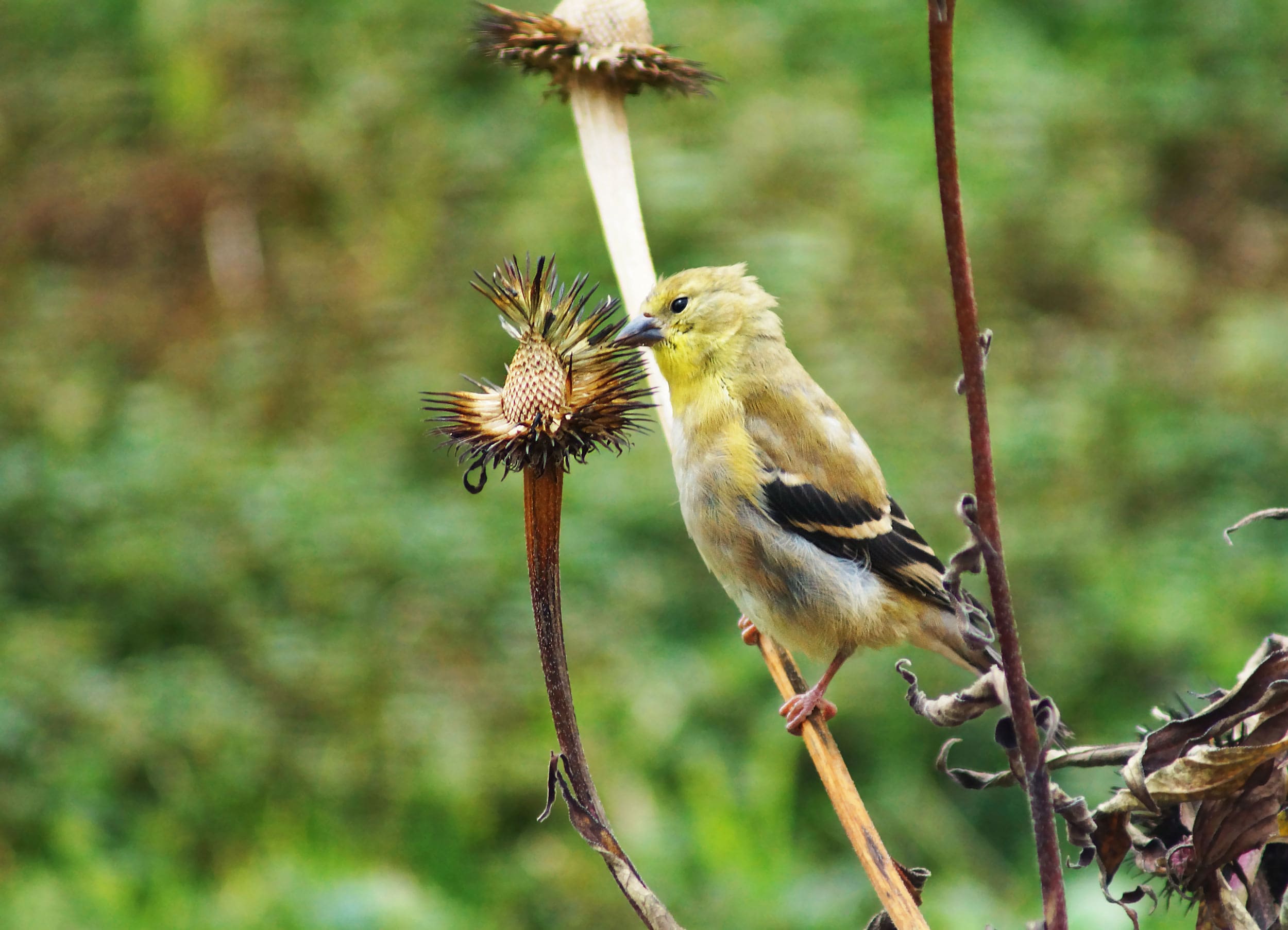
Coneflowers (Echinacea), black-eyed Susans (Rudbeckia), Joe-Pye weed, bee balm, mountain mint, asters, goldenrod, blazing star and coreopsis are all good candidates for leaving standing rather than cutting to the ground.
Their seed heads provide valuable food for birds throughout fall and winter. Goldfinches, in particular, are wonderful to watch balancing on dried coneflower and Rudbeckia stems as they pick out the seeds.
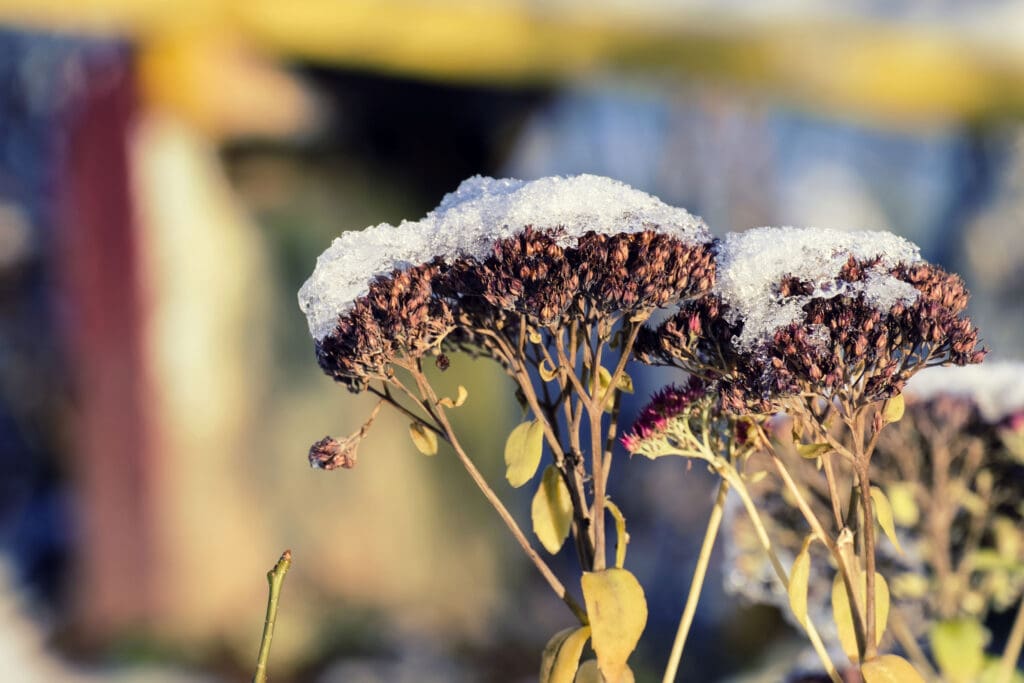
There’s also an aesthetic benefit to leaving the seed heads, too. A coneflower seed head dusted with frost or snow can be every bit as beautiful as its summer bloom.
2. Consider Native Insects Before Pruning Plant Stems
Birds aren’t the only creatures benefiting from a less aggressive fall cleanup.
Many of our native insects spend the winter right in our gardens. Some native bees use hollow or pithy plant stems for nesting and overwintering, while butterflies, moths and other beneficial insects may spend winter among leaves and other plant material.
Plants such as bee balm, mountain mint, Joe-Pye weed and goldenrod can continue providing habitat long after their flowers have disappeared.
3. Let the Grasses Stand
If there is one fall garden chore you can happily cross off your list, it’s cutting down ornamental grasses.
Little bluestem, switchgrass, Indian grass and other ornamental and native grasses are at their best during the winter months. Their seeds can provide food for wildlife, their foliage offers cover, and from a design perspective, they bring movement, height and texture to a landscape that might otherwise feel bare.
On a frosty January morning, dried grasses catching the low winter sun can be one of the most beautiful elements in the garden. Leave them standing and cut them back in late winter or early spring.
4. PLEASE Don’t Prune Away Next Spring’s Flowers
There is another very different reason to put down the pruners in fall: next year’s flowers may already be there.
Many of our favorite spring-flowering shrubs bloom on “old wood” or growth produced during the previous growing season. By fall, they may already be carrying the buds that will become next spring’s flowers.
This includes familiar Mid-Atlantic favorites such as azaleas, rhododendrons, lilacs and forsythia. These are generally best pruned shortly after they finish flowering rather than in fall.
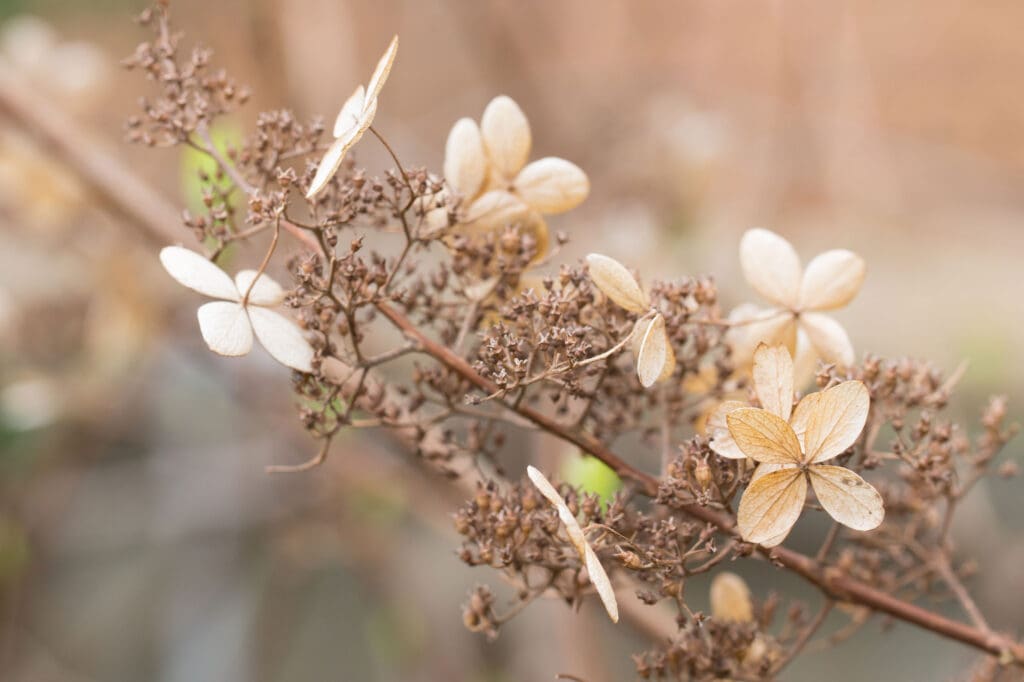
Hydrangeas are worth highlighting here separately. Oakleaf hydrangeas and many big-leaf hydrangeas bloom primarily on old wood, so an enthusiastic fall pruning can sacrifice much of the following year’s display.
When You Should Cut Things Back
A wildlife-friendly garden doesn’t mean abandoning good garden maintenance. Diseased plant material is the important exception.
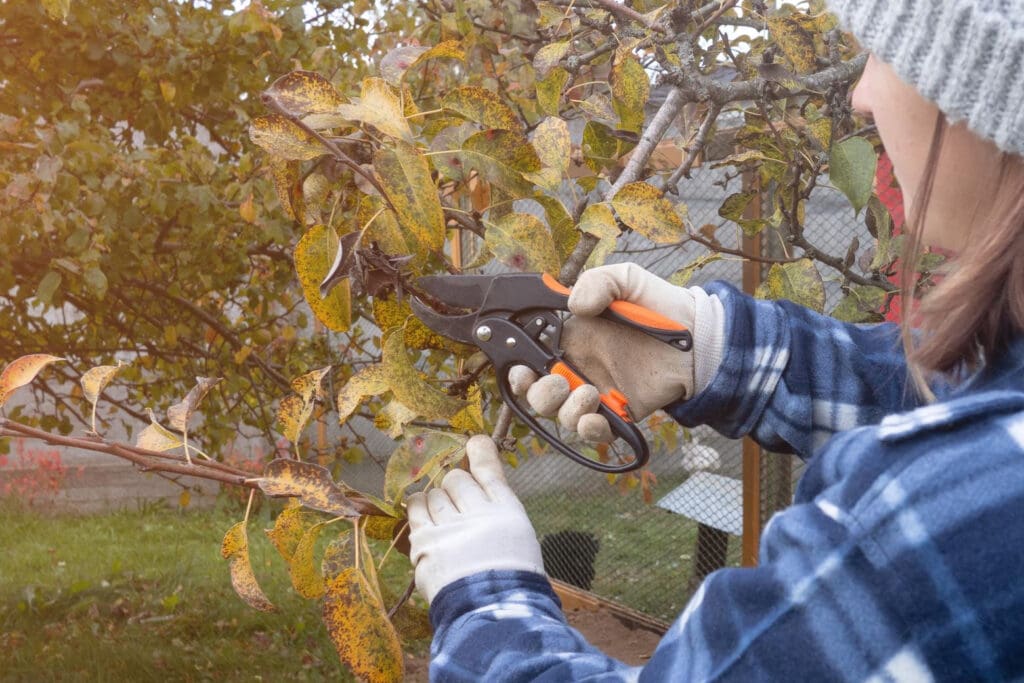
If a perennial has experienced significant fungal disease or a serious pest problem, removing affected foliage and stems can help reduce the chances of carrying the problem into another growing season.
Broken, damaged or problematic growth can also be removed. The goal isn’t to stop gardening. It’s simply to become more thoughtful about what we’re removing, when we’re removing it, and why.
Embrace a Different Kind of Fall Garden
Perhaps we need to reconsider what a “finished” garden is supposed to look like in November.
Instead of seeing every brown seed head, dried stem and fallen leaf as something that needs to disappear, we can begin to see them as another season of the garden. A quieter one, but one that is still very much alive.
Your Guide to Fall Pruning in the DC Area
- Leave the coneflowers for the finches.
- Leave some stems for the bees.
- Leave the grasses to catch the frost.
- Leave some leaves beneath the shrubs.
- And leave next spring’s flower buds right where they are.
Sometimes the best thing we can do for our gardens and for the wildlife that depends on them is simply do a little less.

I’m a Chevy Chase, DC-area landscape designer with 3 kids and 2 dogs that always keep me on my toes. Nature has always been a part of my life and as a child, I spent countless hours in the garden alongside my mother, learning the rhythm of the seasons and the joy of nurturing a living space. Now, I continue to find inspiration in the beauty of nature.
I founded Lanier Landscapes in 2013 after noticing how many outdoor spaces felt impersonal — beautiful but lacking warmth, functional but uninspired. I’m here to help you create an outdoor space that you can’t wait to come home to.
